

Now Reading: Pakistan Navy Successfully Tests New Anti-Ship Ballistic Missile: A Major Milestone in Maritime Defense
-
01
Pakistan Navy Successfully Tests New Anti-Ship Ballistic Missile: A Major Milestone in Maritime Defense

Pakistan Navy Successfully Tests New Anti-Ship Ballistic Missile: A Major Milestone in Maritime Defense

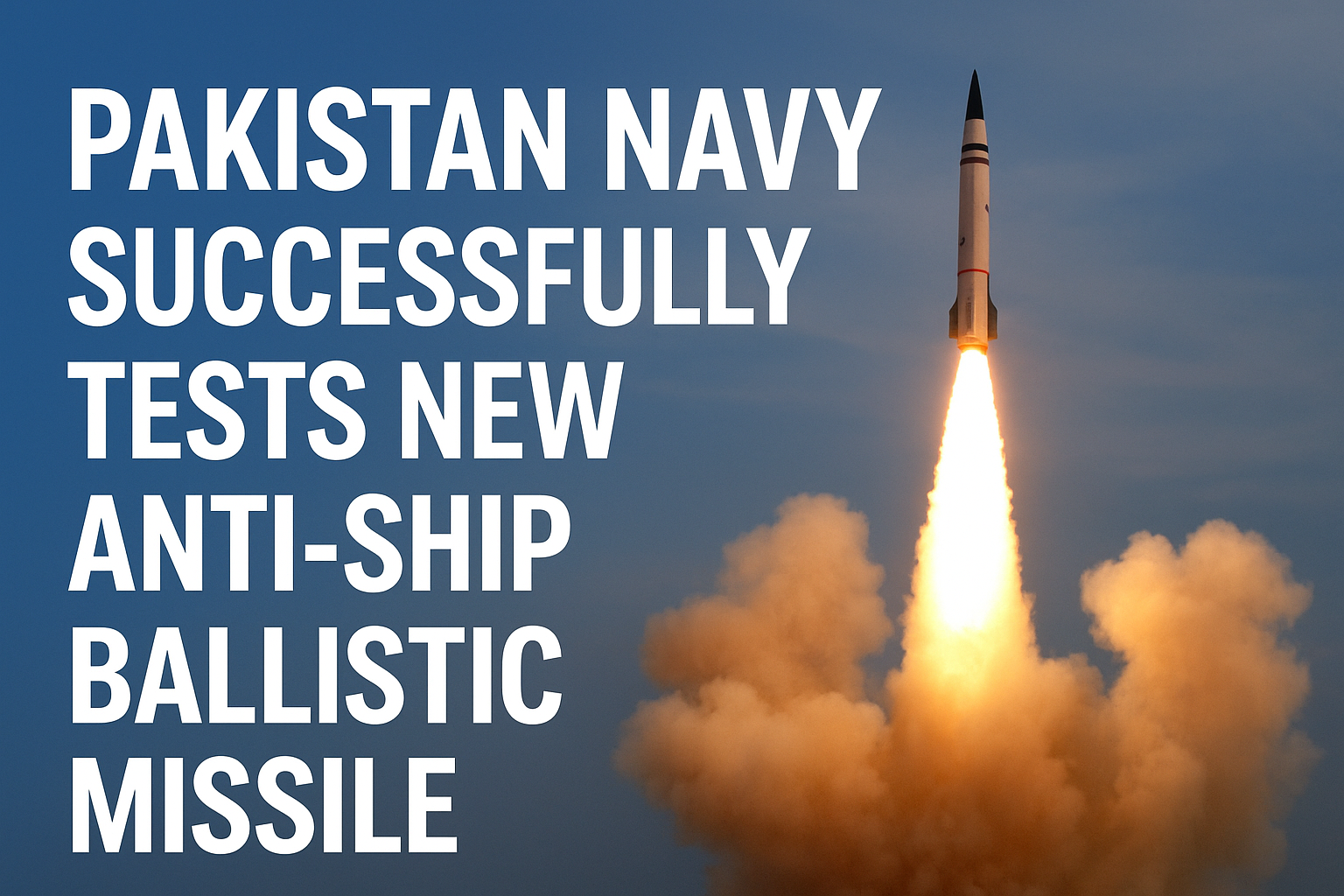
Pakistan’s defense had a major moment today. The country pulled off a successful test of its new Anti-Ship Ballistic Missile. This really marks a key point in building up its power to strike at sea. The test showed real precision and clear thinking on strategy. Pakistan has now boosted its naval strength a lot. It proves the nation can handle tough modern threats from ships. The country is serious about guarding its sea borders. Global Link News covers this in detail. The blog looks at what the test means. It talks about the missile’s tech level. It covers effects on security in the area. It explains the gains Pakistan gets from this.
A Big Step for Pakistan’s Sea Defense
Folks see the Pakistan Navy’s test of this new Anti-Ship Ballistic Missile as a huge win. It puts the country in a small club of places with that kind of weapon. Over time, only top tech nations like China and the United States have used these missiles. So Pakistan joining them lifts its standing in world defense matters.
Official reports say the missile came from a land setup. It followed the right path in the air. It struck the target out in the Arabian Sea. The Navy confirmed all the main goals worked out. That includes how well it guided itself. Flight stayed steady. It could maneuver at the end. The hit was right on point.
This step shows Pakistan’s push to improve sea readiness overall. It builds up ways to deter attacks. It helps keep the nation safe in a changing world of strategy.
What Makes Anti-Ship Ballistic Missile Tech Work
An Anti-Ship Ballistic Missile is a top-level weapon setup. It aims at ships that move, like carriers or destroyers or whole groups at sea. The range is far out. Regular anti-ship missiles hug low to the water. But this one arcs high like a ballistic shot. That makes it hard for enemies to stop.
Some main parts of this missile stand out. It can hit far off with real accuracy. That lets Pakistan hit enemy ships before they get close to important areas. The path is fast and ballistic. It throws off tries to block it. Guidance systems are advanced. They track ships on the move. At the end, it can dodge defenses. The impact packs a big punch. It can wreck big warships bad.
Pakistan seems to have got these parts down solid. The Navy now has a strong tool. It adds real layers to defending the seas.
Better Spot for Pakistan in the Indian Ocean
The Indian Ocean Region is getting more full of military stuff. India is pushing to grow its sea forces a lot. Pakistan’s new missile comes as an answer to those pressures. It fits into a larger plan for balance and steady deterrence in the area.
India has carriers like INS Vikramaditya and INS Vikrant. They put stress on the Arabian Sea. But Pakistan’s missile shifts that weight back. The test lets Pakistan do more in these ways. It can take out enemy carrier groups. It improves holding back at sea. It guards the Exclusive Economic Zone. It keeps trade paths safe. It helps even out power in the region.
This strengthens Pakistan’s sea plans. It keeps coastal guards tough, flexible, and up to date with tech.
Effects on Area and World Security
The test success shakes things up in South Asia and the Indian Ocean wide. Experts in defense say Pakistan’s win will change how other countries plan their forces. That includes allies and rivals.
For India, this means looking over carrier placements again. High-value ships face new risks from the missile. New Delhi’s planners will probably shift to better defenses. They might add ways to dodge or change where ships go.
For Pakistan, the missile does a few key things. It backs up national safety. It toughens sea deterrence. It builds trust in home tech for defense. It cuts down risks from sea pressure. It fits long-range goals to update forces.
This lines up with the Navy’s aim for a fresh fleet. That fleet can do exact hits, deter big threats, and lead in coastal protection.
Push for Homegrown Defense Making
One big outcome from the test is the lift to Pakistan’s own defense building. Groups like NESCOM, the National Engineering and Scientific Commission, stepped up big. The Pakistan Navy Strategic Command helped too. Local labs focused on missiles played their part. They all made this happen.
By putting money into local weapons, Pakistan cuts ties to outside buys. It boosts security at home. It heads toward standing on its own in big defense needs.
Stronger Guard for Coasts and Off Shore
The Arabian Sea keeps Pakistan’s economy alive. About ninety percent of trade goes by water routes. As the country builds more sea setups, like Gwadar Port with the China-Pakistan Economic Corridor, defense at sea matters more.
The missile helps in several spots. It locks down off-shore sites. It shields oil and gas rigs. It watches trade lines. It stops sea dangers far out.
This adds a lot to coastal plans. It gives far-reaching cover that hits true and works well.
A Clear Note to the Area
The test sends a straight signal. Pakistan sticks to protecting sea stakes with cutting-edge gear. It tells rivals and others in geopolitics that naval power is rising. The country stands ready against dangers. It acts as a solid player in Indian Ocean security.
For allies and international partners, this really shows off Pakistan’s increasing skills in technology and its more mature approach to strategy. Those are two key things that have been missing from how global partnerships get maintained.
Expert opinions and reactions from around the world.
Pakistan’s success here has gotten nods from military experts, analysts, and various strategic think tanks everywhere. Some folks figure the missile probably packs in advanced guidance tech similar to the Chinese DF-21D. Pakistan hasn’t confirmed that at all. Still, with their tight defense links to China, a bit of tech sharing seems pretty likely.
Observers from other countries point out that Pakistan’s missile abilities could shake up naval plans in the region. It might hit defense budgets too. And maritime security focuses in South Asia would feel the change.
Conclusion. A big step in history for the Pakistan Navy.
The Pakistan Navy pulled off this test of an anti-ship ballistic missile. That marks a real turning point in history. It boosts the country’s security at sea a lot. The strategic defense setup gets stronger. And influence in the region grows too. Now Pakistan can guard its coastline better. It stays ready to deter new kinds of naval risks. All this ties into the expanding economic stakes. Global Link News says this shows progress in key spots. Those include homegrown defense skills, tech improvements, and smart planning. Pakistan’s new ASBM power isn’t just about tech wins. It stands for solid military readiness. It highlights national power. And it proves forward-thinking strategy. In an area where alliances shift around and tensions build up, this missile test helps Pakistan hold its ground. It positions the country as a strong, reliable, and proactive force on the seas.